Violence is often portrayed as a fight. In reality, violence is frequently a medical emergency.
Whether the cause is a vehicle accident, industrial injury, violent assault, hunting mishap, or natural disaster, the outcome is often determined long before an ambulance arrives. The first five minutes after a traumatic injury can mean the difference between life and death.
Most civilians spend considerable time thinking about how to prevent danger, avoid danger, or defend against danger. Far fewer spend time considering what happens after someone has been injured.
At Sentinel Combatives, we believe preparedness extends beyond self-defense. The ability to preserve life during a medical emergency is one of the most important skills a citizen protector can possess.
Trauma Doesn't Wait for Help
Many people assume that emergency medical services will arrive quickly.
Sometimes they do.
Sometimes they don't.
Rural environments, severe weather, traffic congestion, remote recreational areas, civil emergencies, and mass casualty incidents can all delay professional medical care. In those moments, the people on scene become the first responders.
That reality should shape how we think about preparedness.
The goal isn't to become a paramedic overnight. The goal is to understand the priorities that matter when seconds count.
The First Priority: Don't Become the Next Victim
Before helping anyone else, assess the environment.
A surprisingly common mistake is rushing toward an injured person without recognizing the hazard that caused the injury in the first place. Traffic, fire, electrical hazards, unstable structures, violent attackers, and other dangers can quickly create additional casualties.
The first question should always be:
"Is it safe to help?"
A casualty who needs help is a tragedy.
Two casualties are a bigger problem.
Calm Creates Capability
Traumatic incidents create chaos.
People panic. Voices rise. Adrenaline surges.
In these moments, one of the most valuable skills isn't medical knowledge—it's composure.
The person who can remain calm often becomes the person who can think clearly, communicate effectively, and coordinate action.
This doesn't mean suppressing emotion. It means controlling it long enough to make good decisions.
The first five minutes are rarely about doing everything. They're about doing the most important things first.
Understanding Preventable Death
Modern trauma medicine has taught us an important lesson: many trauma deaths are preventable if immediate action is taken.
The biggest threats often involve:
- Severe bleeding
- Airway compromise
- Breathing problems
- Shock
While definitive treatment belongs in the hands of medical professionals, civilians can learn to recognize life-threatening problems and take simple actions that buy time until advanced care arrives.
This is why programs like Stop the Bleed have become so widely recommended.
A few minutes of knowledge can save a life.
Equipment Matters—But Knowledge Matters More
Many people focus on gear.
Tourniquets.
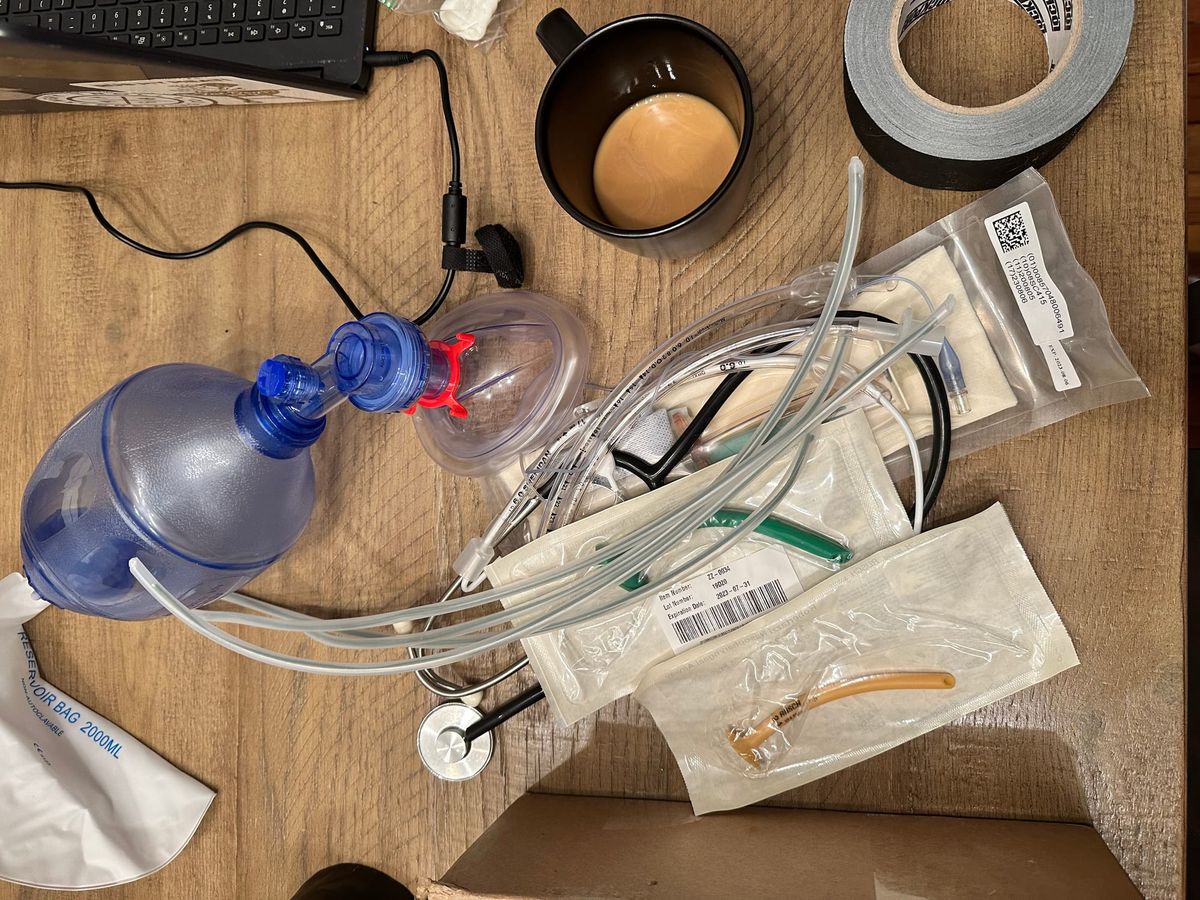
Medical kits.
Trauma bags.
Vehicle kits.
These tools are valuable, but equipment without training creates a false sense of preparedness.
A quality medical kit is only useful if you know:
- When to use it
- Why to use it
- What problem you're trying to solve
Preparedness isn't measured by what you own.
It's measured by what you can do.
Every Citizen Should Have a Medical Plan
Most people have thought about home defense plans, evacuation routes, and emergency contacts.
Far fewer have considered a medical emergency plan.
Questions worth considering include:
- Do family members know where medical supplies are located?
- Is there a tourniquet available at home and in vehicles?
- Who will call 911?
- What information should be communicated to responding personnel?
- Does everyone know basic emergency procedures?
Planning before an emergency reduces confusion during one.
The Citizen Protector Mindset
The modern protector is more than a fighter.
He or she is someone who can solve problems under pressure.
Sometimes that means avoiding violence.
Sometimes it means defending yourself.
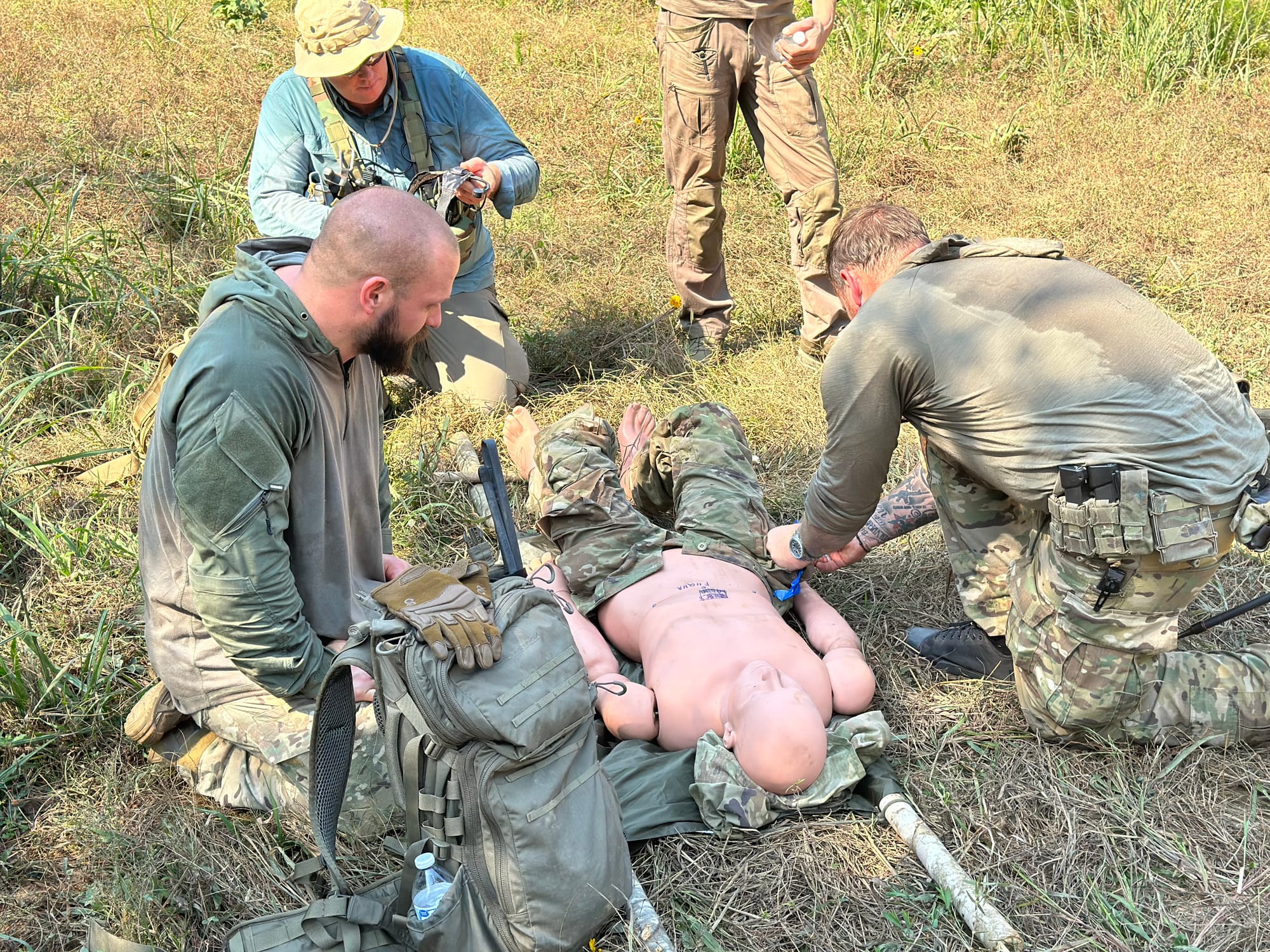
And sometimes it means kneeling beside an injured person and keeping them alive until help arrives.
That capability matters.
Because in the real world, you're far more likely to encounter a medical emergency than a gunfight.
Final Word
The first five minutes after trauma are rarely dramatic in the way movies portray them. They're often chaotic, confusing, and emotionally overwhelming.
But they are also an opportunity.
An opportunity to stay calm.
An opportunity to act.
An opportunity to save a life.
At Sentinel Combatives, we believe preparedness means more than learning how to fight. It means developing the skills, mindset, and judgment necessary to protect life when it matters most.
Train hard.
Stay aware.
Learn medical skills.
Because someday, the most important thing you do may not be stopping a threat—it may be helping someone survive one.